

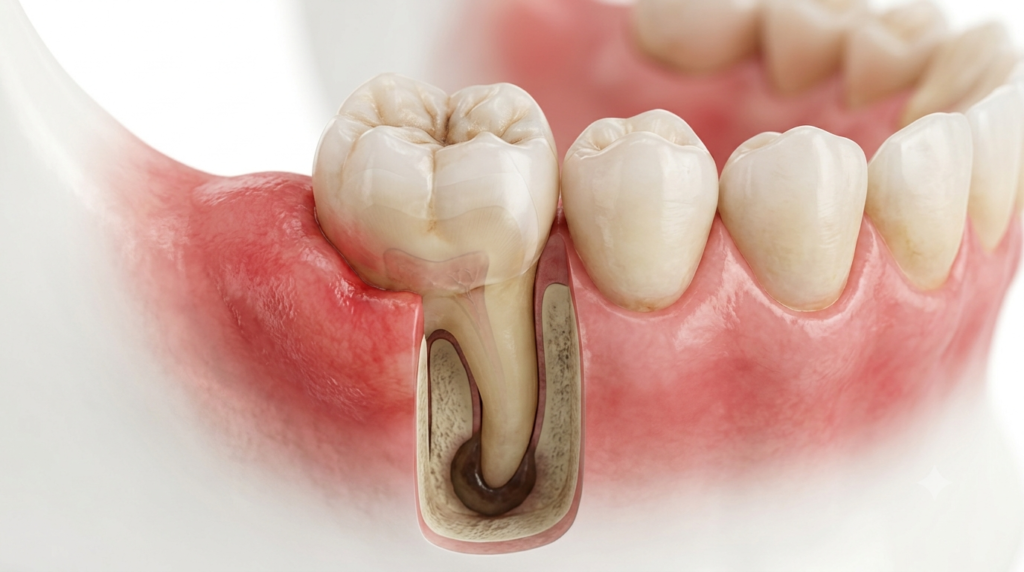
Swelling near a tooth can be a sign of a dental infection, gum disease, or irritation around the affected area. You may notice a swollen gum, pain while chewing, redness, or swelling in your cheek. Sometimes, swelling develops even when the tooth does not hurt. Understanding the cause of swelling near a tooth is important because some dental problems need prompt treatment. Ignoring the symptoms may allow an infection to spread or become more difficult to treat. In this guide, learn about the common causes of tooth swelling, warning signs to watch for, treatment options, and when to visit a dentist.
What Causes Swelling Near a Tooth?
Swelling around a tooth can develop for several reasons. A dental examination helps identify the underlying cause.
1. Tooth Infection or Dental Abscess
A dental abscess is a collection of pus caused by a bacterial infection. It can develop near the root of a tooth or in the surrounding gum tissue.
Common signs include toothache, gum swelling, tenderness, an unpleasant taste, or pus near the affected tooth. Some people may also develop facial swelling or fever. A dental abscess requires professional treatment and will not reliably resolve on its own.
2. Swollen Gums Around One Tooth
If your gum is swollen around one tooth, the cause may be plaque buildup, gum inflammation, trapped food, or a local infection. The gum may appear red, feel tender, or bleed while brushing. If the swelling persists or worsens, a dentist should examine the area.
3. Tooth Decay
Untreated tooth decay can reach the inner part of the tooth and cause inflammation or infection. In some cases, this may lead to swelling around the tooth root.
You might experience sensitivity to hot or cold foods, pain when biting, or persistent toothache. However, tooth decay can also develop without noticeable symptoms.
4. Gum Disease
Gum disease develops when plaque accumulates around the teeth and irritates the gums. Early signs can include redness, bleeding, and swelling.
More advanced gum disease may damage the tissues supporting the teeth and contribute to gum pockets or localised infections.
5. Food Trapped Between Teeth
Food trapped between two teeth can irritate the gum and cause temporary discomfort or swelling. Carefully cleaning between the teeth may help remove the trapped food, but avoid using sharp objects.
If the swelling remains, becomes painful, or develops repeatedly in the same area, arrange a dental examination.
Is Swelling Near a Tooth Always a Sign of Infection?
No. Swelling near a tooth is not always caused by an infection. Gum irritation, trapped food, recent dental treatment, an injury, or wisdom tooth eruption can also cause swelling.
However, swelling accompanied by severe toothache, pus, fever, increasing redness, or facial swelling may indicate an infection that needs prompt assessment.
Even if the swelling is painless, it is worth getting checked because some dental infections do not cause severe pain in their early stages.
What Are the Common Symptoms of a Tooth Infection?
A tooth infection causes one or more of the following symptoms:
- Swelling around a tooth or along the gum line
- Persistent or throbbing toothache
- Pain when biting or chewing
- Red, tender, or swollen gums
- Pus or an unpleasant taste in the mouth
- Sensitivity to hot or cold foods
- Swelling of the cheek or jaw
- Fever or feeling generally unwell
Not everyone experiences all these symptoms. If you notice increasing swelling or suspect a dental abscess, seek prompt dental care.
What Should You Do If the Gum Around a Tooth Is Swollen?
If you notice swelling near a tooth, these steps may help you manage discomfort while arranging appropriate care:
1. Arrange a dental examination. A dentist can check the tooth, gums and surrounding tissues to determine the cause of the swelling.
2. Rinse gently with warm salt water. This may soothe mild gum irritation, but it will not cure a dental abscess.
3. Keep the area clean. Brush gently with a soft-bristled toothbrush and carefully clean between your teeth if comfortable.
4. Avoid squeezing the swollen area. Do not attempt to drain an abscess or puncture the gum yourself.
5. Avoid self-prescribing antibiotics. Antibiotics are not needed for every dental problem and cannot replace necessary dental treatment. A dentist or medical professional should decide whether they are appropriate.
Do not delay professional care if swelling is persistent, worsening, or accompanied by pain or fever.
How Is a Tooth Infection Treated?
Treatment depends on the cause, severity, and condition of the affected tooth.
- Drainage of an abscess: A dentist may need to drain the collection of pus.
- Root canal treatment: If the inner pulp of the tooth is infected and the tooth can be saved, root canal treatment may remove the infection while preserving the tooth.
- Tooth extraction: Removal may be necessary if the tooth cannot be restored.
- Gum treatment: If gum disease is responsible, professional cleaning or other periodontal treatment may be recommended.
- Medication: Pain relief or antibiotics may be appropriate in selected cases, depending on the clinical findings.
The right treatment can only be determined after an examination. Early assessment may help prevent complications and protect the affected tooth where possible.
When Should You See a Dentist for Tooth Swelling?
Arrange a dental appointment promptly if you notice swelling near a tooth, especially if it persists or returns.
Seek urgent dental assessment if you experience:
- Severe or worsening toothache
- Pus near the tooth or gum
- Increasing swelling in the cheek or jaw
- Fever or feeling unwell alongside dental swelling
- Difficulty opening your mouth normally
Difficulty breathing or swallowing, or significant swelling involving the neck or eye, requires emergency medical attention.
Do not wait for the pain to become severe before seeking advice. A dental problem can sometimes progress even when symptoms initially appear mild.
FAQs
1. Is swelling near a tooth a sign of infection?
It can be. A dental abscess, tooth decay, or gum infection may cause swelling. However, irritation, trapped food, and other conditions can also cause it. A dental examination is needed to determine the cause.
2. Can swollen gums around one tooth heal on their own?
Mild irritation caused by trapped food may improve after the area is cleaned. However, persistent or worsening swelling may indicate an underlying problem that needs treatment. Do not assume a suspected infection will disappear without care.
3. Can a tooth infection cause cheek swelling?
Yes. A dental infection can spread into nearby tissues and cause cheek or jaw swelling. This requires urgent assessment, particularly when accompanied by fever or worsening pain.
4. Can a tooth infection exist without pain?
Yes. Some dental infections and areas of tooth decay may cause little or no pain initially. New or unexplained swelling should still be evaluated by a dentist.
5. Will antibiotics cure a dental abscess?
Antibiotics alone usually do not eliminate the source of a dental abscess. Treatment may require drainage, root canal treatment, or extraction. A dental professional will decide whether antibiotics are necessary.
Conclusion
Swelling near a tooth may result from gum irritation, tooth decay, gum disease, or a dental abscess. Although not every case is caused by an infection, persistent or worsening swelling should never be ignored. Maintaining good oral hygiene and seeking timely dental care can help identify problems early and reduce the risk of complications. If you notice swollen gums, tooth pain, or swelling around your cheek or jaw, consult a dentist to identify the cause and discuss suitable treatment options.
Agrawal’s Multispeciality Dental Clinic in Ahmedabad can assess dental concerns and help you understand the appropriate next steps for your oral health.