

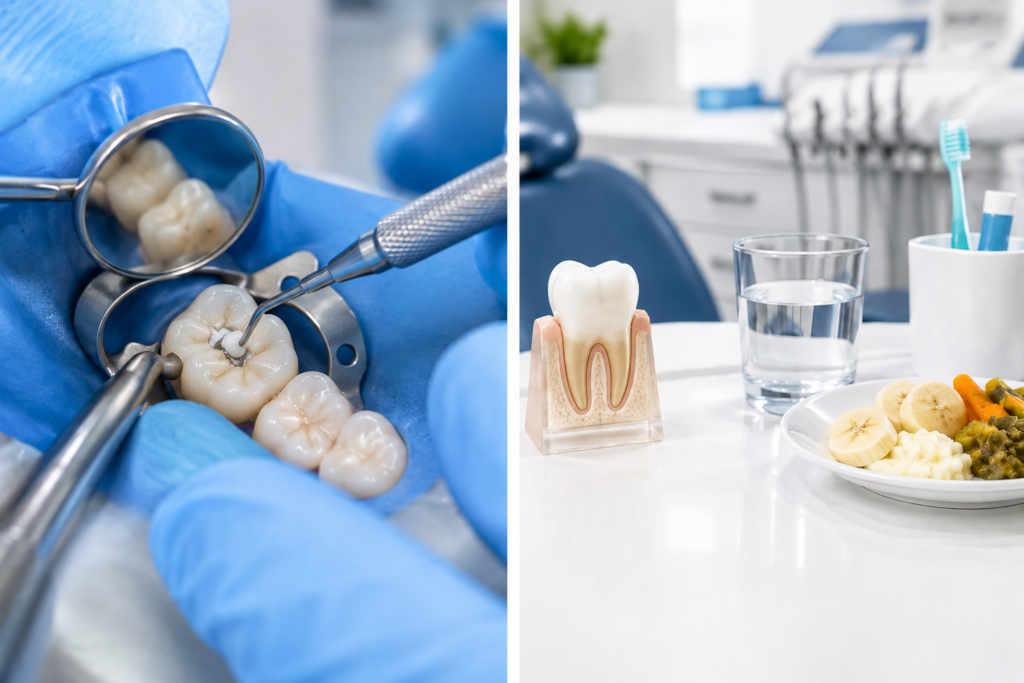
Getting a tooth filling is one of the most common dental procedures, but the thought of having a cavity treated can make many people nervous. One of the first questions patients ask is, “How painful is a tooth filling?”
The good news is that modern dental fillings are generally designed to be comfortable. Dentists use local anaesthesia to numb the area before treating the tooth, which helps minimize discomfort during the procedure. You may feel pressure, vibration or movement, but you should not normally experience significant pain during treatment.
However, the experience can vary depending on the size and location of the cavity, the condition of the tooth and how sensitive it is. Understanding what happens before, during and after a filling can make the experience much less stressful.
What Is a Dental Filling?
A dental filling is a restorative treatment used to repair a tooth affected by decay or certain types of minor damage. During the procedure, the dentist removes the decayed portion of the tooth, cleans the affected area and restores the space with an appropriate filling material.
Dental fillings can help restore the tooth’s shape and function while preventing the cavity from progressing further. Different materials may be used depending on the tooth, the extent of damage and the patient’s needs. Agrawal Dental Clinic offers different restorative filling options, including tooth-coloured composite resin and other dental filling materials.
How Painful Is a Tooth Filling?
For most patients, getting a dental filling is not highly painful. Before treatment begins, the dentist may administer a local anaesthetic to numb the tooth and surrounding area. Once the area is numb, you may notice:
- Pressure around the tooth
- Vibration from dental instruments
- Sounds from the equipment
- Mild pulling or movement
- Temporary numbness around the mouth
The level of discomfort can depend on how deep the cavity is. A small cavity that is treated early may require less extensive treatment than a deeper cavity.
Does a Filling Hurt More If the Cavity Is Deep?
A deeper cavity may require more extensive treatment because the decay can be closer to the inner part of the tooth.
When decay gets close to the dental pulp, the tooth may already be sensitive or painful before you receive treatment. In some cases, a filling may be appropriate; in others, the dentist may recommend a different treatment depending on the condition of the tooth.
This is why persistent tooth pain should not simply be treated with painkillers or ignored. A dental examination helps determine what is causing the pain and which treatment is appropriate.
Agrawal Dental Clinic’s existing treatment guidance also explains that early-stage cavities may be treated with fillings, while teeth with deeper infection may require root canal treatment.
What Happens Before a Tooth Filling?
Before placing a filling, your dentist will examine the affected tooth. Depending on the situation, dental imaging may also be recommended to understand the extent of decay. The dentist will then explain the treatment and determine whether a filling is suitable.
1. Examination
The tooth and surrounding area are assessed.
2. Numbing
Local anaesthesia may be used to make the procedure more comfortable.
3. Removing decay
The damaged or decayed portion of the tooth is carefully removed.
4. Cleaning the area
The cavity is cleaned to prepare it for restoration.
5. Placing the filling
The selected filling material is placed and shaped.
6. Checking the bite
The dentist checks whether the restored tooth feels comfortable when you bite.
The exact process varies depending on the tooth and the extent of damage.
What Does a Tooth Filling Feel Like After Treatment?
Once the procedure is complete, your mouth may remain numb for a while because of the local anaesthetic. Avoid chewing until normal sensation returns so that you do not accidentally bite your cheek, tongue or lip.
Some experience mild sensitivity after a filling. You might notice sensitivity to cold, heat or pressure for a short period. This does not necessarily mean something is wrong. However, persistent, severe or worsening pain should be evaluated by a dentist.
If the tooth continues to hurt significantly, feels painful when biting, or develops swelling, contact your dental professional rather than waiting for the problem to resolve on its own.
How Long Does Tooth Filling Pain Last?
There is no single recovery time that applies to everyone. Mild sensitivity may settle as the tooth adjusts after treatment. The duration can depend on factors such as:
- Depth of the cavity
- Location of the tooth
- Type of filling
- Existing tooth sensitivity
- Condition of the tooth before treatment
Can You Eat After a Dental Filling?
Dentist may recommend waiting until the numbness wears off before eating, particularly if local anaesthesia was used. Once normal sensation returns, you can generally resume eating according to your dentist’s advice. If the tooth feels sensitive, temporarily choosing softer foods and avoiding extremely hot or cold foods may make eating more comfortable.
Good oral hygiene remains important after a filling. Continue brushing twice a day and cleaning between your teeth to help prevent new decay around the restored tooth.
When Should You See a Dentist for Tooth Pain?
A cavity does not always cause noticeable pain in its early stages. Waiting until the tooth becomes painful can allow decay to become more advanced.
- Toothache that keeps returning
- Pain when chewing
- Sensitivity that is becoming more frequent
- A visible hole or dark area in the tooth
- Food repeatedly getting trapped around one tooth
- A broken or damaged tooth
- Persistent pain after a filling
Early assessment can help your dentist determine whether a simple filling is suitable or whether additional treatment is required.
FAQs
1. How long does pain last after a filling?
Some mild sensitivity can occur after treatment. If pain is severe, persistent or getting worse, contact your dentist for an evaluation.
2. Can a filling be done without an injection?
Whether anaesthesia is needed depends on the depth and location of the cavity and the dentist’s assessment. Your dentist can explain the most appropriate approach.
3. Why does my tooth hurt after a filling?
Temporary sensitivity can occur after a filling. Persistent or worsening pain, especially pain when biting or significant sensitivity, should be checked by a dentist.
4. Does a deep cavity always need a root canal?
Not necessarily. Treatment depends on how extensive the decay is and whether the dental pulp is affected. A dentist needs to examine the tooth before determining whether a filling, root canal or another restoration is appropriate.
Final Thoughts
So, how painful is a tooth filling? For most people, the procedure is much more comfortable than they expect. Local anaesthesia helps minimize pain during treatment, while mild sensitivity afterwards may occur temporarily.
The most important step is not to delay treatment because of fear. A cavity that is identified early may be treatable with a relatively straightforward restoration, while deeper decay can require more complex treatment. If you have tooth pain, sensitivity or a suspected cavity, schedule an examination with a dentist in Ahmedabad to understand the cause and appropriate treatment.
Contact Agrawal Dental Clinic to discuss dental concern and find the right treatment for your smile.