

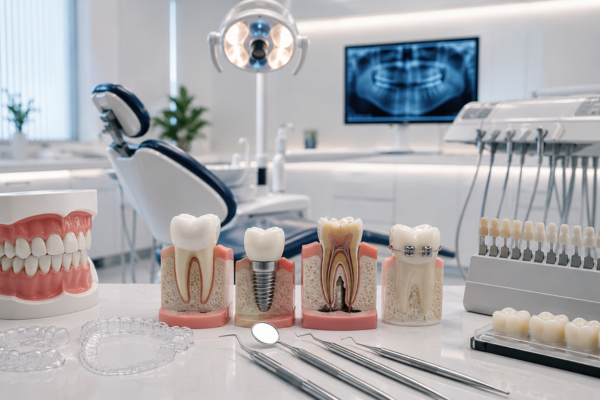
Maintaining good oral health involves more than brushing and flossing every day. From routine dental check-ups to advanced procedures, different dental treatments are designed to prevent, diagnose and treat a wide range of oral health problems.
If you are wondering what are the types of dental treatment, understanding the available options can help you make informed decisions about your dental health. At Agrawal Dental Clinic, patients can receive personalised dental care based on their oral health needs, concerns and treatment goals. In this guide, we explain the common types of dental treatment, what they involve and when they may be recommended.
What Are the Types of Dental Treatment?
Dental treatments can generally be divided into several categories, including preventive, restorative, cosmetic, orthodontic, periodontal and surgical treatments. Each type serves a different purpose.
- Preventive dental treatment
- Restorative dental treatment
- Cosmetic dentistry
- Orthodontic treatment
- Gum or periodontal treatment
- Root canal treatment
- Dental implants
- Oral and dental surgery
- Children’s dental treatment
1. Preventive Dental Treatment
Preventive dentistry focuses on keeping your teeth and gums healthy and reducing the risk of future dental problems.
- Routine dental examinations
- Professional teeth cleaning
- Dental polishing
- Fluoride treatment
- Dental sealants
- Oral health assessments
Regular dental check-ups can help dentists identify cavities, gum problems, enamel wear and other concerns at an early stage. Preventive care is important because treating a dental problem early may help prevent it from becoming more complicated.
2. Restorative Dental Treatment
Restorative dentistry is used to repair teeth that have been damaged by decay, fractures, infection or general wear.
Dental Fillings
Dental fillings are commonly used to restore teeth affected by cavities. The decayed portion is removed and the tooth is restored with an appropriate filling material.
Dental Crowns
A dental crown is a tooth-shaped restoration that covers and protects a damaged or weakened tooth. Crowns may be recommended after significant tooth damage or following root canal treatment.
Dental Bridges
Dental bridges can replace one or more missing teeth by using neighbouring teeth or dental restorations for support. Restorative treatment aims to improve the function, strength and appearance of damaged teeth.
3. Root Canal Treatment
Root canal treatment is commonly recommended when the inner pulp of a tooth becomes infected or inflamed.
Deep decay, cracks or dental trauma can sometimes affect the pulp. During root canal treatment, the infected or damaged tissue is removed, the inside of the tooth is cleaned and the tooth is sealed. A crown may be recommended afterward depending on the condition and strength of the tooth.
Root canal treatment can help preserve a natural tooth that might otherwise require extraction.
4. Cosmetic Dental Treatment
Cosmetic dentistry focuses primarily on improving the appearance of the teeth and smile. Some cosmetic procedures may also provide functional benefits.
- Teeth whitening
- Dental veneers
- Smile makeover procedures
- Tooth-coloured restorations
- Cosmetic bonding
The appropriate treatment depends on factors such as tooth colour, shape, alignment, enamel condition and overall oral health.
A dental consultation is important before choosing cosmetic treatment because healthy teeth and gums are generally the foundation for cosmetic procedures.
5. Orthodontic Treatment
Orthodontic treatment helps address problems related to tooth alignment and bite.
- Traditional braces
- Clear aligners
- Other orthodontic appliances
Orthodontic treatment can help improve the alignment of crowded, spaced or rotated teeth and may also address certain bite problems. Clear aligners are a popular option for suitable patients who prefer a more discreet approach to orthodontic treatment.
6. Gum or Periodontal Treatment
Healthy gums are essential for maintaining healthy teeth. Gum disease can develop when plaque and bacteria accumulate around the teeth and gums.
- Bleeding gums
- Red or swollen gums
- Persistent bad breath
- Gum recession
- Loose teeth
Depending on the severity of the condition, treatment may include professional cleaning, deep cleaning or other periodontal procedures. Early evaluation can be particularly helpful because untreated gum disease can affect the supporting tissues around the teeth.
7. Dental Implants
Dental implants are one option for replacing missing teeth. An implant-supported restoration can provide a stable replacement for a missing tooth.
A typical implant treatment involves placing an implant into the jawbone, allowing appropriate healing and then attaching a dental restoration such as a crown. Dental implants may help restore chewing function and provide a natural-looking tooth replacement. However, suitability depends on factors such as bone condition, gum health and overall oral health.
8. Oral and Dental Surgery
Some dental conditions require surgical treatment. Oral surgery may be recommended for problems that cannot be treated effectively with routine dental procedures.
- Tooth extraction
- Wisdom tooth removal
- Treatment of certain oral infections
- Surgical procedures related to impacted teeth
- Other specialised dental procedures
Dentist will evaluate your condition and explain whether surgery is necessary and what the procedure involves.
9. Children’s Dental Treatment
Children need specialised dental care because their teeth, jaws and oral habits are still developing.
- Dental check-ups
- Cavity treatment
- Preventive fluoride care
- Dental sealants
- Treatment of dental injuries
- Monitoring tooth and jaw development
Introducing children to regular dental visits can help them develop good oral hygiene habits and become more comfortable with dental care.
How Do You Know Which Dental Treatment You Need?
There is no single dental treatment that is right for everyone. The appropriate treatment depends on your specific oral health condition.
- Your symptoms and dental history
- Condition of your teeth and gums
- Presence of cavities or infection
- Tooth alignment and bite
- Missing or damaged teeth
- X-rays or other diagnostic findings
- Your treatment goals
A professional dental examination is therefore the best way to determine which treatment may be suitable for you.
Why Are Regular Dental Check-Ups Important?
Many dental problems may not cause noticeable symptoms during their early stages. Regular dental examinations allow your dentist to monitor your oral health and identify potential problems before they become more serious.
- Early detection of cavities
- Gum health monitoring
- Plaque and tartar removal
- Checking existing dental restorations
- Monitoring tooth alignment
- Maintaining overall oral hygiene
Good daily oral hygiene combined with professional dental care can support long-term oral health.
When Should You Visit a Dentist?
You should consider scheduling a dental appointment if you experience:
Persistent toothache, tooth sensitivity, bleeding or swollen gums, a broken or chipped tooth, loose teeth, persistent bad breath, difficulty chewing, dental swelling, a missing tooth, or concerns about your smile or tooth alignment are all reasons to consider scheduling a dental appointment. You do not always need to wait until you experience pain. Preventive dental visits can help identify problems before symptoms develop.
Choosing the Right Dental Treatment in Ahmedabad
Understanding the types of dental treatment available can make dental care less confusing. From preventive dentistry and fillings to root canal treatment, dental implants, orthodontics and cosmetic procedures, modern dentistry offers solutions for many different oral health concerns.
At Agrawal Dental Clinic, treatment should begin with an appropriate dental evaluation so that your oral health needs can be properly understood. Your dentist can then explain the available options, expected benefits, potential limitations and aftercare requirements.
Faq
1. What are the main types of dental treatment?
The main types include preventive, restorative, cosmetic, orthodontic, periodontal, endodontic, implant and oral surgical treatments. Children’s dentistry is another important area of dental care.
2. What is the most common dental treatment?
Dental examinations, professional cleaning and cavity fillings are among the commonly provided dental treatments. The treatment you need depends on your individual oral health.
3. Is root canal treatment a dental treatment?
Yes. Root canal treatment is an endodontic dental procedure used to treat infection or inflammation inside a tooth.
4. Are dental implants considered dental treatment?
Yes. Dental implants are a tooth replacement treatment that may be used for people with missing teeth when they are suitable candidates.
5. Can cosmetic dentistry improve my smile?
Cosmetic dental treatments such as teeth whitening, veneers and cosmetic bonding may improve certain aspects of the appearance of your smile. A dentist can determine which options are appropriate after evaluating your teeth and gums.
Conclusion
Knowing what are the types of dental treatment can help you understand the different ways dentists can prevent, diagnose and manage oral health problems. Whether you need routine preventive care, treatment for tooth decay, gum care, orthodontic treatment, cosmetic dentistry or tooth replacement, the right approach depends on your individual dental needs.
If you are experiencing a dental concern or simply want to maintain your oral health, consider scheduling a dental consultation with Agrawal Dental Clinic. Early professional evaluation can help you understand your treatment options and take the right steps toward a healthier smile.