

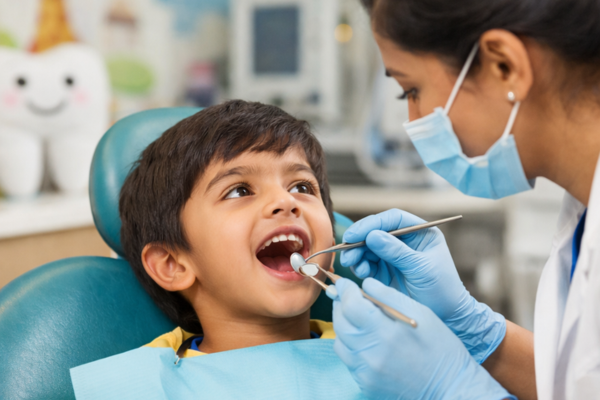
Every parent cherishes the moment when their child’s first tooth appears. While it is an exciting milestone, it also marks the beginning of your child’s dental care journey. From this stage onward, maintaining good oral health becomes essential for proper growth and overall well-being. With the guidance of an experienced pediatric dentist, parents can better understand how to care for their child’s teeth from an early age. In many cases, dental problems in children do not develop suddenly.
They progress gradually and often show early signs such as sensitivity, discoloration, or mild discomfort while eating. These signs are commonly overlooked, not because they are difficult to notice, but because parents may not be aware of their importance. Recognising these early indications and seeking timely guidance from a pediatric dentist in Ahmedabad, especially a clinic located near a pediatric hospital, can help prevent minor issues from becoming serious concerns. Early care ensures that your child’s teeth remain healthy and strong as they grow.
8 Early Signs of Dental Problems in Children
1. White or Brown Spots on Teeth
White chalky patches near the gum line are one of the very first signs of early-stage tooth decay (called “white spot lesions”). Brown or black discoloration often means the decay has progressed further. If you notice any unusual spots on your child’s teeth, don’t wait this is the easiest stage to treat and even reverse with professional fluoride treatment.
2. Complaining of Tooth Sensitivity or Pain
Children aren’t always able to articulate pain clearly. They might say their tooth “feels funny” when eating cold ice cream or hot food, or they might simply refuse certain foods. Sensitivity or pain even if occasional should never be dismissed as normal. It often signals cavities, enamel erosion, or gum irritation that needs attention from a pediatric dentist.
3. Bleeding Gums
If your child’s gums bleed when they brush or floss, that’s a classic early sign of gingivitis inflammation of the gum tissue. While gingivitis is common and treatable, ignoring it can lead to more serious gum disease over time. Healthy gums should be pink and firm, not red, swollen, or prone to bleeding.
4. Bad Breath That Doesn’t Go Away
Morning breath is normal. Persistent bad breath (halitosis) is not. If your child has bad breath that doesn’t improve after brushing, it could indicate tooth decay, gum problems, dry mouth, or even an infection. Don’t just reach for mouthwash visit a dentist to find the underlying cause.
5. Delayed or Unusual Tooth Development
Every child’s tooth timeline is slightly different, but significantly delayed tooth eruption or teeth coming in at odd angles can be early signs of crowding, developmental issues, or other conditions. Similarly, if baby teeth fall out too early or hang on too long, it’s worth checking with a specialist. A pediatric dentist can take X-rays to see exactly what’s happening below the surface.
6. Thumb Sucking or Pacifier Use After Age 3
Thumb sucking and pacifier habits are perfectly normal in infants and toddlers. However, if these habits continue past the age of 3–4 years, they can begin to affect the alignment of permanent teeth and the development of the jaw. Early intervention both dental and behavioral can help redirect these habits before they cause lasting changes.
7. Mouth Breathing
Does your child habitually breathe through their mouth, even when they don’t have a cold? Chronic mouth breathing can dry out the gums and oral tissues, increase the risk of cavities, and even affect facial bone development over time. It’s often linked to nasal congestion, enlarged tonsils, or structural issues all of which deserve medical and dental evaluation.
8. Teeth Grinding
Many parents are surprised to hear their child grinding their teeth at night. Occasional bruxism in young children is fairly common and often resolves on its own, but persistent grinding can wear down enamel, cause jaw pain, and lead to cracked teeth. If you notice this, mention it at your child’s next dental check-up.
Prevention Is Always Better Than a Filling
Here’s what parents can do at home to protect their children’s smiles:
- Start brushing as soon as the first tooth appears — use a rice-grain amount of fluoride toothpaste for children under 3.
- Move to twice-daily brushing with a pea-sized amount of toothpaste for children aged 3 and above.
- Limit sugary snacks and drinks, especially juice, between meals.
- Begin flossing when two teeth touch each other.
- Replace your child’s toothbrush every 3 months or after any illness.
- Make water the primary drink throughout the day.
- Visit your pediatric dentist every 6 months — or sooner if you notice any warning signs.
Meet Agrawal Dental — Pediatric Dentist in Ahmedabad
Located near a pediatric hospital in Ahmedabad, Agrawal Dental offers gentle, child-friendly dental care in a calm and welcoming environment. Our experienced team treats children of all ages, from routine check-ups to cavity care and early orthodontic guidance all under one roof.
Frequently Asked Questions
1. Is bleeding while brushing normal in children?
No, bleeding gums are often a sign of early gum disease (gingivitis) and should not be ignored.
2. What causes bad breath in children?
Persistent bad breath can be due to cavities, gum infections, or poor oral hygiene. A dental check-up can help identify the cause.
3. Should I be concerned about delayed or uneven tooth growth?
Yes, unusual tooth development or delayed eruption may signal alignment or developmental issues that need professional evaluation.
4. Is thumb sucking harmful for teeth?
Thumb sucking is normal for young children, but if it continues after age 3–4, it can affect tooth alignment and jaw development.
5. Why is mouth breathing a concern?
Chronic mouth breathing can increase the risk of cavities and affect facial development. It should be evaluated by a dentist or doctor.
6. Is teeth grinding common in children?
Occasional grinding is common, but frequent grinding can damage teeth and should be checked by a dentist.
7. How can I prevent dental problems in my child?
Maintain good oral hygiene, limit sugary foods, encourage regular brushing and flossing, and visit a pediatric dentist every 6 months.
Early Care Today, Fewer Dental Problems Tomorrow
A healthy smile begins with early attention. The small signs you notice today like sensitivity, spots, or changes in habits can help prevent bigger dental problems tomorrow. By staying aware and acting early, you not only protect your child from discomfort but also build strong, healthy habits for life. Regular dental check-ups and timely care ensure your child grows up with confidence, comfort, and a bright, healthy smile.
“Book an appointment today and give your child the gift of a healthy, happy smile. Because great oral health really does start early.”