

What Does It Mean When a Child Has Double Rows of Teeth?
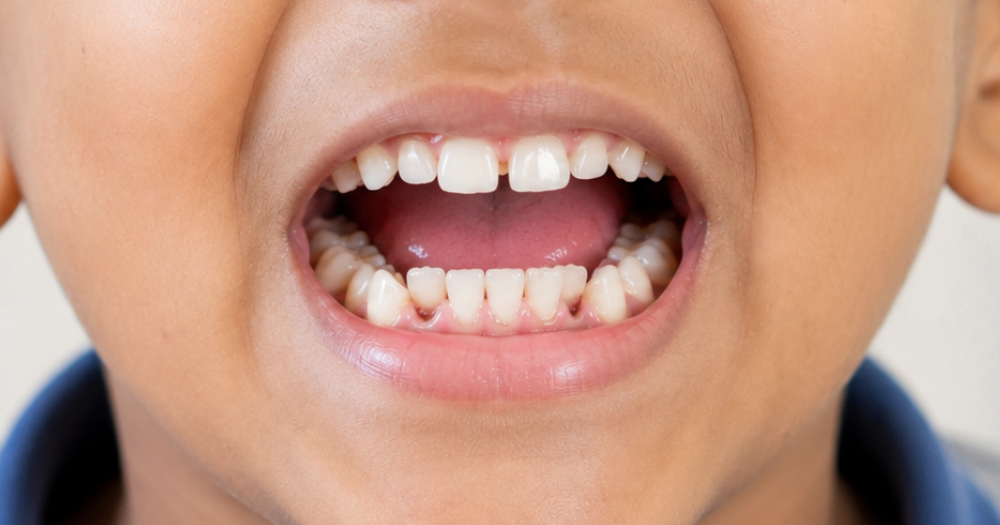
Have you noticed a new permanent tooth growing behind your child’s baby tooth? It may look like your child has two rows of teeth, which can worry many parents. This is a common occurrence during the transition from baby teeth to permanent teeth and is sometimes called “shark teeth.”
In many cases, the permanent tooth can move into its proper position as the baby tooth falls out. However, the right approach depends on your child’s age, tooth position, and dental development.
Understanding why double rows of teeth develop, when they need attention, and when to visit a Pediatric Dentist in Ahmedabad can help you make informed decisions about your child’s oral health.
What Are Double Rows of Teeth in Children?
Double rows of teeth occur when a permanent tooth begins to emerge before the corresponding baby tooth has fallen out. As a result, two teeth may be visible in the same general area.
This commonly happens with the lower front teeth, also known as the lower permanent incisors. The new tooth may appear behind the baby tooth rather than directly underneath it.
Although the appearance can be surprising, double rows of teeth are not always a sign of a serious dental problem. A dental examination can help determine whether the baby tooth is likely to fall out naturally or whether treatment is needed.
Why Do Children Develop Double Rows of Teeth?
Several factors can contribute to permanent teeth appearing before baby teeth have fallen out.
1. Permanent Teeth Erupting Behind Baby Teeth
Permanent teeth sometimes emerge behind the baby teeth instead of pushing directly against their roots. This is a common explanation for double rows of teeth, particularly in the lower front jaw.
2. Baby Teeth Not Becoming Loose on Time
If a baby tooth remains firmly in place while the permanent tooth begins to erupt, both teeth may be visible together. The baby tooth may eventually become loose and fall out, but some cases require a dentist’s assessment.
3. Natural Differences in Tooth Development
Every child develops at a slightly different pace. The timing of tooth eruption and the loss of baby teeth can vary, so a difference in timing does not automatically indicate a dental problem.
4. Limited Space for Permanent Teeth
Sometimes, a permanent tooth does not have enough room to emerge in its ideal position. Crowding or the position of neighbouring teeth can affect how the new tooth comes through.
A dentist can assess whether the tooth is likely to move into a better position naturally or whether further evaluation is necessary.
At What Age Do Double Rows of Teeth Usually Appear?
Double rows of teeth are often noticed around the time children begin losing their baby teeth, commonly between 6 and 7 years of age.
The lower front permanent teeth are frequently among the first adult teeth to erupt. If a permanent tooth appears behind a baby tooth that has not fallen out, parents may notice two rows in the same area.
However, tooth eruption varies from child to child. Age alone cannot determine whether treatment is necessary.
Are Double Rows of Teeth Dangerous?
In many children, double rows of teeth are temporary and resolve as the baby teeth loosen and fall out. The permanent teeth may then gradually move towards a more appropriate position.
However, the condition should not always be ignored. A retained baby tooth, significant crowding, or an unusual eruption pattern may need professional assessment.
Leaving a dental concern unexamined can delay the identification of problems that may affect tooth alignment or oral hygiene.
Consult a dentist if the baby tooth remains firmly in place, the permanent tooth continues to emerge in an unusual position, or your child experiences pain, swelling, or difficulty chewing.
What Should Parents Do If Their Child Has Double Rows of Teeth?
If you notice two rows of teeth, these practical steps can help you care for your child while deciding on the next course of action.
1. Avoid Forcing the Baby Tooth Out
Do not pull out a baby tooth that is still firmly attached. Removing it forcefully can cause pain, bleeding, or injury to the surrounding tissues.
2. Maintain Good Oral Hygiene
Help your child brush twice daily with fluoride toothpaste appropriate for their age. Pay attention to the area around both teeth, where food and plaque may accumulate.
3. Observe the Baby Tooth
Notice whether the baby tooth is becoming loose and whether your child has any discomfort. This information can help the dentist assess the situation.
4. Arrange a Dental Examination
If the baby tooth remains firmly in place, the permanent tooth is becoming increasingly crowded, or you are concerned about its position, arrange a dental appointment.
A dentist can examine the teeth and determine whether monitoring, removal of the retained baby tooth, or further assessment is appropriate.
When Should You Visit a Pediatric Dentist in Ahmedabad?
Parents should consider visiting a Pediatric Dentist in Ahmedabad if their child develops double rows of teeth and the baby tooth does not appear to be loosening, or if the permanent tooth is emerging in an unusual position.
A dental examination is particularly important if your child has:
- Persistent pain or tenderness around the affected tooth.
- Swelling, bleeding, or signs of infection.
- A baby tooth that remains firmly in place while the permanent tooth continues to emerge.
- Noticeable crowding or difficulty cleaning between the teeth.
- Concerns about how the permanent teeth are developing.
A pediatric dental assessment can help determine whether the condition needs treatment or simply requires monitoring as the child’s teeth develop.
Can Double Rows of Teeth Affect Permanent Tooth Alignment?
Double rows of teeth do not always lead to crooked permanent teeth. In some cases, the baby tooth falls out and the permanent tooth gradually moves towards a better position.
However, the final alignment depends on several factors, including available space, jaw development, the position of neighbouring teeth, and the pattern of eruption.
If crowding persists or several teeth emerge out of alignment, the dentist may recommend further evaluation. Orthodontic treatment is not automatically required simply because a child develops double rows of teeth.
Early assessment helps identify whether the teeth are developing as expected and whether any intervention is appropriate.
How Can Parents Support Healthy Tooth Development?
Good oral hygiene and regular dental visits can help support your child’s developing teeth.
- Encourage brushing twice a day with age-appropriate fluoride toothpaste.
- Help your child clean around newly erupted permanent teeth.
- Limit frequent sugary snacks and drinks.
- Encourage water between meals.
- Arrange regular dental check-ups according to your dentist’s advice.
- Seek professional guidance if a baby tooth does not fall out as expected.
These habits help reduce the risk of tooth decay and allow dental concerns to be identified early.
Conclusion
Double rows of teeth are a relatively common occurrence during childhood as permanent teeth begin to replace baby teeth. In many cases, the condition improves naturally when the baby tooth falls out. However, persistent baby teeth, unusual eruption patterns, pain, or crowding should be assessed by a dental professional.
If you notice two rows of teeth in your child’s mouth, avoid forcing the baby tooth out and maintain good oral hygiene while monitoring the situation.
Consult a Dentist in Ahmedabad for personalised guidance about your child’s tooth eruption, alignment, and overall dental health.