

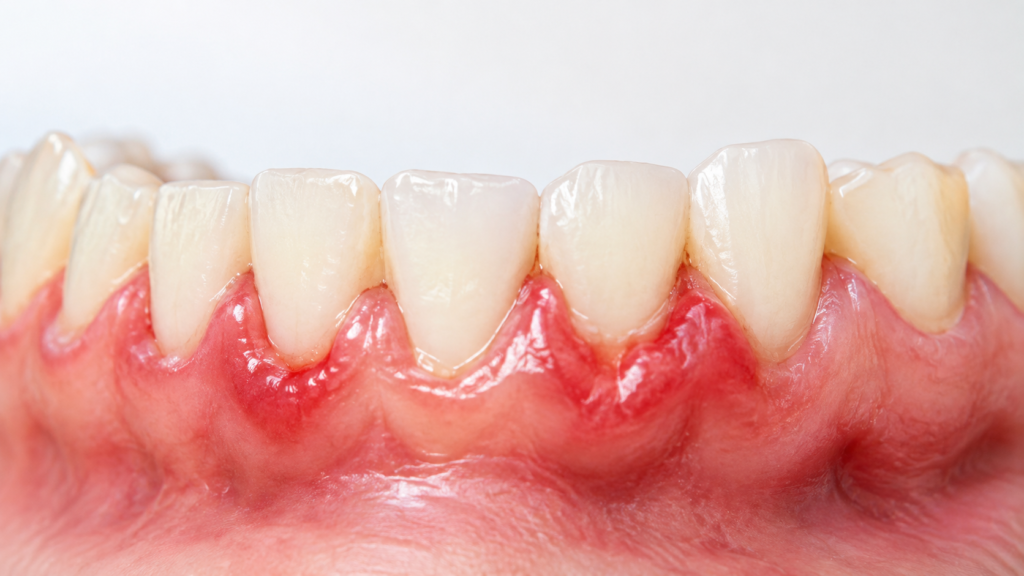
Swollen gums can be uncomfortable, painful, and sometimes a sign of an underlying dental problem. The good news is that gum swelling can often be treated effectively when the cause is identified early. But simply reducing the swelling may not solve the problem if it is caused by gum disease, infection, plaque buildup, or a dental abscess.
If you are wondering how to cure swelling in gums, this guide explains the common causes, safe home care, dental treatments, and when you should see a dentist.
What Causes Swelling in the Gums?
Gum swelling can happen for several reasons. Common causes include:
1. Gingivitis
Gingivitis is an early stage of gum disease usually associated with plaque buildup around the teeth. It can cause red, swollen or bleeding gums. Regular brushing, flossing, and professional dental cleaning can help manage gingivitis before it progresses.
2. Gum Infection
Bacteria can cause a gum infection, leading to swelling, tenderness, bad breath, or discomfort when chewing. A dental examination is important when swelling continues or becomes painful.
3. Dental Abscess
A dental abscess is a collection of pus caused by a bacterial infection. It can develop around a tooth or in the surrounding gum tissue and may cause significant swelling and pain. An abscess requires professional dental treatment and should not be treated only with home remedies.
4. Plaque and Tartar Buildup
When plaque is not removed properly, it can harden into tartar. Tartar can irritate the gums and contribute to gum swelling, bleeding, and inflammation. Professional dental cleaning may be required to remove hardened deposits.
5. Food Stuck Between Teeth
Food particles trapped between teeth can irritate the gums and cause temporary swelling. Gentle flossing may help remove the trapped food. Avoid using sharp objects to clean between the teeth because they can injure the gums.
6. Irritation or Injury
Hard brushing, sharp foods, ill-fitting dental appliances, or accidental injury can irritate gum tissue and cause temporary swelling.
How to Cure Swelling in Gums?
The right treatment depends on what is causing the swelling. If you have mild gum irritation, some simple measures may provide temporary relief.
Maintain Good Oral Hygiene
Brush your teeth twice a day using a soft-bristled toothbrush and fluoride toothpaste. Clean gently around the swollen area rather than avoiding it completely. Floss or use an appropriate interdental cleaner to remove plaque and food particles between the teeth.
Rinse With Warm Salt Water
A warm salt-water rinse may help soothe irritated gums and keep the mouth cleaner. However, it should be considered supportive care rather than a cure for an underlying dental infection.
Drink Enough Water
Staying hydrated helps maintain normal saliva flow and supports overall oral hygiene. Water can also help wash away food particles after meals.
Avoid Tobacco and Irritating Foods
Smoking and tobacco products can negatively affect gum health. Very spicy, extremely hot or hard foods may also irritate already-swollen gums.
Do Not Ignore Persistent Swelling
If gum swelling lasts for several days, keeps returning, or becomes more painful, it is important to consult a dentist. Persistent swelling may indicate gum disease, tooth infection, or another dental condition that requires professional treatment.
What Is the Dental Treatment for Swollen Gums?
A dentist will first identify the cause of the swelling. Treatment may include:
- Professional dental cleaning for plaque and tartar buildup
- Gum treatment for gingivitis or periodontal disease
- Treatment of a dental infection
- Root canal treatment when an infected tooth is responsible
- Drainage of an abscess when clinically required
- Treatment of damaged or decayed teeth
- Advice on improved brushing and interdental cleaning
The treatment depends on the underlying cause rather than the swelling alone.
How Long Does Gum Swelling Take to Go Away?
The recovery time depends on the cause and severity of the problem. Mild irritation may improve after removing the source of irritation and improving oral hygiene. However, swelling caused by gum disease, an abscess or a tooth infection may not resolve without professional treatment.
If swelling is getting worse rather than improving, schedule a dental examination.
When Should You See a Dentist for Swollen Gums?
You should consider seeing a dentist if you have:
- Gum swelling that does not improve
- Repeated gum swelling
- Bleeding gums
- Severe tooth or gum pain
- Pus around the gums or tooth
- Persistent bad breath
- Pain while chewing
- A loose tooth
- Facial or jaw swelling
- Fever along with dental swelling
Facial swelling, difficulty breathing, or difficulty swallowing can indicate a serious dental infection and require urgent medical attention.
Can Swollen Gums Be Prevented?
Good daily oral hygiene can reduce the risk of gum inflammation and many common causes of swollen gums. Follow these habits:
- Brush twice a day with fluoride toothpaste.
- Clean between your teeth every day.
- Have regular dental check-ups.
- Get professional cleaning when recommended.
- Avoid tobacco products.
- Reduce frequent sugary snacks and drinks.
- Do not ignore bleeding or swollen gums.
Early attention can help prevent minor gum problems from becoming more serious.
Faq
1. How can I reduce swelling in my gums quickly?
Maintaining good oral hygiene and rinsing gently with warm salt water may provide temporary relief. However, the best treatment depends on the cause of the swelling.
2. Can swollen gums heal on their own?
Mild irritation may improve with proper oral hygiene, but persistent or recurrent swelling can be a sign of gum disease or infection and should be evaluated by a dentist.
3. Is gum swelling a sign of infection?
It can be. Gum swelling may occur with gum disease, a dental abscess or other infections. Additional symptoms such as pain, pus, fever or facial swelling require prompt dental attention.
4. Can salt water cure swollen gums?
Salt-water rinsing may help soothe irritated gums, but it does not necessarily cure the underlying cause. It should not replace professional dental treatment when an infection or gum disease is present.
5. Why are my gums swollen around one tooth?
Swelling around one tooth may be related to trapped food, local gum inflammation, tooth decay, an infection, or an abscess. A dentist can determine the specific cause.
Conclusion
Swollen gums should not be ignored, especially when the problem continues or keeps coming back. Understanding how to cure swelling in gums starts with identifying the underlying cause, whether it is plaque buildup, gingivitis, gum infection, tooth decay, or an abscess. Good oral hygiene can help with mild inflammation, but persistent swelling may require professional dental treatment.
Looking for Swollen Gum Treatment in Ahmedabad?
Persistent gum swelling may need professional dental care. Consult Agrawal’s Multispeciality Dental Clinic in Ahmedabad for an examination and treatment based on the cause of your gum problem.
Book Your Dental Appointment Today.