

Many people feel nervous when they hear the words root canal treatment. One of the most common questions patients ask is: Is It Painful to get a Root Canal? The fear usually comes from old stories and myths that make the treatment sound uncomfortable. However, modern dentistry has changed significantly, and root canal procedures today are designed to reduce pain, not create it.
If you are experiencing tooth pain and looking for a trusted dental clinic in Ahmedabad, understanding the truth about root canal treatment can help you feel more confident before visiting your dentist.
What Is a Root Canal Treatment?
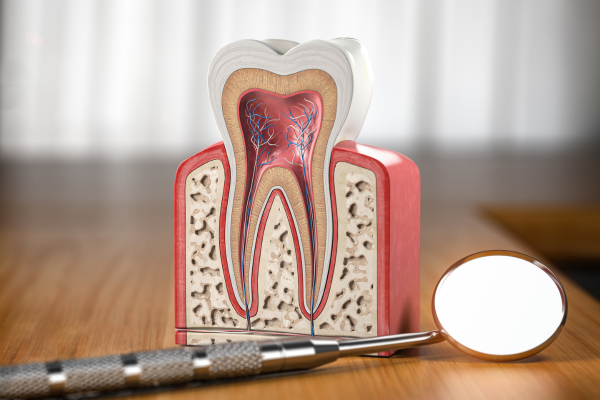
A root canal treatment is a dental procedure used to save a tooth that has become infected or severely damaged. Inside every tooth is a soft tissue called pulp that contains nerves and blood vessels. When this pulp becomes infected because of deep decay, cracks, or injury, it can cause severe pain. During root canal treatment in Ahmedabad, the dentist removes the infected pulp, cleans and disinfects the inside of the tooth, and seals it to prevent future infection.
The goal of treatment is simple: save your natural tooth and relieve pain.
Is It Painful to Get a Root Canal?
The short answer is no. Modern root canal procedures are usually no more painful than getting a regular filling. Dentists use local anesthesia to numb the area completely before starting treatment.
Most patients are surprised because the treatment itself often feels comfortable. In reality, the pain people associate with root canals usually comes from the infection inside the tooth, not from the treatment. You may feel:
- Slight pressure during treatment
- Mild sensitivity after the procedure
- Temporary soreness for a few days
However, severe pain during treatment is uncommon.
Why Do People Think Root Canals Are Painful?
There are several reasons why root canals have developed a scary reputation:
Old Dental Experiences
Years ago, dental technology and anesthesia were not as advanced as they are today. People who had treatment decades ago may have experienced discomfort.
Fear and Anxiety
Hearing stories from friends or reading incorrect information online can create unnecessary fear.
Pain Before Treatment
Most patients visit the dentist only after experiencing intense tooth pain. They often connect that pain with the treatment itself, even though the infection caused the discomfort.
Signs You May Need a Root Canal
You should visit a dental clinic in Ahmedabad if you notice any of these symptoms:
- Severe toothache
- Sensitivity to hot or cold foods
- Swollen gums
- Pain while chewing
- Tooth discoloration
- A small pimple-like bump on the gums
- Persistent discomfort around a tooth
Ignoring these symptoms can allow the infection to spread and create larger dental problems.
What Happens During a Root Canal Procedure?
Knowing what to expect can help reduce anxiety.
Step 1: Examination and X-rays
The dentist examines your tooth and takes X-rays to understand the extent of infection.
Step 2: Local Anesthesia
The area around the tooth is numbed completely.
Step 3: Cleaning the Infection
The infected pulp is carefully removed, and the canals inside the tooth are cleaned.
Step 4: Filling and Sealing
The cleaned area is filled and sealed to protect against future infection.
Step 5: Tooth Restoration
In many cases, a dental crown may be placed for strength and protection.
How Long Does Pain Last After a Root Canal?
Some patients experience mild soreness after treatment. This is usually temporary and improves within a few days. Common post-treatment symptoms include:
- Mild tenderness
- Slight sensitivity while chewing
- Minor gum discomfort
Following your dentist’s instructions and taking prescribed medication can help you recover comfortably.
Benefits of Root Canal Treatment
Root canal treatment offers several advantages:
Saves Your Natural Tooth
Keeping your natural tooth helps maintain proper chewing and jaw function.
Stops Infection
The procedure removes bacteria and prevents the spread of infection.
Reduces Pain
The treatment removes the source of pain rather than simply hiding symptoms.
Restores Oral Health
A healthy treated tooth can last for many years with proper care.
Why Choose Agrawal Dental Clinic Ahmedabad?
When choosing a clinic for root canal treatment in Ahmedabad, experience and patient care matter. At Agrawal Dental Clinic Ahmedabad, patients receive modern dental care using advanced technology and comfortable treatment techniques. The clinic focuses on:
- Advanced dental equipment
- Comfortable treatment procedures
- Experienced dental professionals
- Complete oral health solutions
Early treatment can prevent complications and help preserve your natural smile.
Tips to Prevent Root Canal Problems
While root canals are effective, prevention is always better.
Follow these simple habits:
- Brush twice daily
- Floss regularly
- Limit sugary foods
- Visit your dentist for routine checkups
- Treat cavities early
- Avoid chewing hard objects
Final Thoughts
Is It Painful to Get a Root Canal? The good news is that modern dental treatments are designed to relieve pain rather than cause it. Most patients find that the procedure is much easier than expected.
Delaying treatment can make the problem worse and lead to additional complications. If you have tooth pain or signs of infection, visiting a trusted dental clinic in Ahmedabad can help protect your oral health. Agrawal Dental Clinic Ahmedabad, offers professional dental care and effective treatment options to help patients restore their healthy smiles.
FAQs
- Is it painful to get a root canal?
No, modern root canal treatment is usually comfortable and similar to getting a dental filling. - How many visits are needed for a root canal?
Most treatments are completed in 1–2 visits. - Can I eat after a root canal?
Yes, but wait until numbness goes away and avoid hard foods for a short time. - How long does a root canal-treated tooth last?
With proper care, it can last for many years. - When should I visit a dental clinic in Ahmedabad?
Visit if you have tooth pain, swelling, or sensitivity to hot and cold foods.