

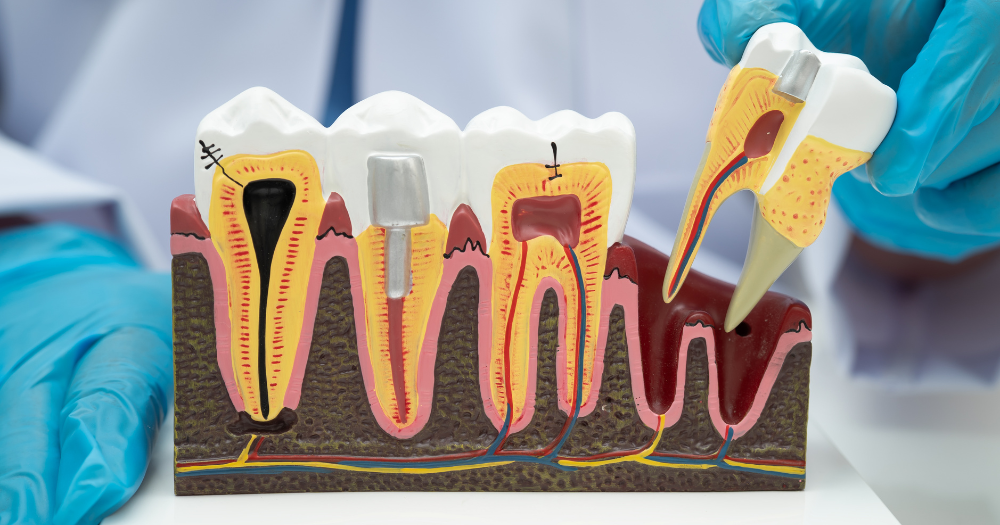
Root canal treatment helps save a severely infected or damaged tooth, but the treatment is only complete after the tooth is properly protected. Once the infected pulp is removed, the tooth loses its natural strength and becomes more vulnerable to cracks and fractures. For this reason, dentists strongly recommend placing a dental cap (crown) after RCT.
One of the most common patient questions is: Which root canal cap is best for long-term tooth protection? Understanding the available options can help you make an informed decision and protect your tooth for years to come.
Understanding Root Canal Treatment Dentistry
RCT in dentistry focuses on removing infection from inside the tooth, cleaning the root canals, and sealing them to prevent reinfection. While this procedure preserves the natural tooth structure, it also removes the internal blood supply, making the tooth more brittle over time.
A dental crown acts as a protective cover, restoring strength, function, and appearance. Without a cap, a root canal treated tooth is more likely to fracture, especially while chewing.
Steps of Root Canal Treatment Procedure
Understanding the steps of the rct procedure helps patients feel more confident:
- Dental examination and X-ray to assess infection
- Local anesthesia to numb the area
- Removal of infected pulp
- Cleaning and shaping of root canals
- Filling and sealing the canals
- Temporary or permanent filling
- Placement of a dental cap (crown)
The final step, choosing the right crown, is crucial for long-term success.
Which Root Canal Cap Is Best? (7 Common Types)
Choosing the right crown after RCT depends on several factors, including the position of the tooth, chewing pressure, appearance, durability, and overall budget. Different crown materials serve different purposes, which is why dentists recommend specific options based on individual needs.
- Metal crowns are known for their exceptional strength and long lifespan. They can easily withstand heavy chewing forces, making them suitable for molars. However, their metallic appearance limits their use in visible areas.
- Porcelain-fused-to-metal (PFM) crowns combine the strength of metal with a tooth-colored porcelain outer layer. This makes them a popular choice for both front and back teeth. While they offer a good balance of durability and aesthetics, the porcelain surface may chip or wear over time.
- All-ceramic crowns provide excellent aesthetics and closely resemble natural teeth. Because they are metal-free, they are often recommended for front teeth. However, they may not be as strong as metal-based crowns when exposed to heavy bite forces.
- Zirconia crowns, one of the most advanced options in modern dentistry, offer superior strength along with a natural, tooth-colored appearance. They are biocompatible, resistant to fractures, and suitable for both front and back teeth. Due to their durability and aesthetic appeal, zirconia crowns are widely recommended for long-term tooth protection after RCT.
- Stainless steel crowns are mainly used in pediatric dentistry or as temporary restorations. They are not typically recommended for permanent use in adult patients.
- Gold alloy crowns are extremely durable and gentle on opposing teeth, making them suitable for molars. However, their higher cost and metallic look make them less popular among patients.
- Composite resin crowns are an affordable and tooth-colored option, often used as temporary or budget-friendly solutions. Their main limitation is a shorter lifespan compared to other crown materials.
So, which root canal cap is best?
For most adults looking for long-term durability, safety, and a natural appearance, zirconia crowns are considered the best overall choice.
Before and After Root Canal Treatment X-Ray: Why It’s Important
A before and after root canal treatment X-ray helps dentists:
- Confirm complete removal of infection
- Check proper sealing of root canals
- Detect hidden issues or complications
- Plan accurate crown placement
Post-treatment X-rays also help monitor healing and long-term success.
After Root Canal Treatment Care: Essential Tips
Proper after rct care increases the lifespan of both the tooth and the crown.
Do’s:
✔ Maintain good oral hygiene
✔ Eat soft foods initially
✔ Visit your dentist for follow-ups
Don’ts:
✘ Avoid chewing hard foods before crown placement
✘ Don’t ignore pain or swelling
✘ Avoid delaying the permanent crown
Good aftercare reduces reinfection risk and prevents future dental problems.
Cost for Root Canal Treatment and Cap
The cost for root canal treatment and crown placement varies depending on the tooth involved, severity of infection, the type of crown chosen, and the dentist’s expertise. While durable crowns such as zirconia may cost more initially, they often prove more economical in the long run due to their longevity and reliability.
How Dentists Help You Choose the Right Root Canal Cap
Dentists choose the right root canal cap based on the tooth’s position, bite strength, appearance needs, and budget. Front teeth need natural-looking caps, while back teeth need stronger ones. Your dentist also focuses on long-term durability to ensure the tooth stays protected for years.
Because every case is different, professional guidance helps select the best cap for your tooth.
Final Thoughts
Choosing the right crown is just as important as the rct itself. When considering which root canal cap is best, factors such as strength, appearance, and long-term durability must be evaluated. Modern dental materials, especially zirconia, provide reliable protection and a natural look. With proper treatment, the right crown, and good aftercare, a root canal treated tooth can function comfortably and remain protected for many years.
FAQ:
Q1. Which root canal cap is best for long-term use?
Zirconia crowns are commonly preferred for long-term tooth protection due to their strength, durability, and natural appearance.
Q2. Is a cap mandatory after rct?
In most cases, yes. A cap protects the treated tooth from fracture and restores chewing function.
Q3. How long does a root canal cap last?
Depending on the material and oral care, a crown can last 10–15 years or longer.
Q4. Are X-rays necessary after root canal treatment?
Yes. Before and after root canal treatment X-ray help confirm healing and treatment success.
Q5. What affects the cost of root canal treatment?
The cost depends on tooth type, infection severity, crown material, and clinic expertise.